

In the heart of summer, a mysterious festival known as the Ghost Festival, or Zhongyuan Jie, unfolds across China. This traditional holiday holds a special place in the hearts of many, as it commemorates the spirits of the ancestors and pays homage to the departed. The festival is steeped in rich folklore and customs, each with its own unique story and significance. Let's delve into the reasons why the Ghost Festival is celebrated as the Day of the Ghosts.
1. The Origin of the Ghost Festival
The Ghost Festival has its roots in ancient Chinese beliefs and practices. It is believed to have originated from the Chinese calendar, which divides the year into 24 solar terms. The seventh solar term, known as the "Grain in Ear," marks the beginning of the festival. This period is typically in July or August, coinciding with the height of summer.
2. The Concept of Ghosts in Chinese Culture
In Chinese culture, ghosts are considered to be the spirits of the deceased who have not yet crossed over to the afterlife. They are often depicted as ethereal beings who can appear in various forms. The Chinese believe that during the Ghost Festival, the gates of the underworld open, allowing the spirits of the deceased to return to the world of the living.
3. The Day of the Ghosts
The Ghost Festival is celebrated on the 15th day of the seventh lunar month, which is considered the most auspicious day for honoring the spirits. It is believed that on this day, the spirits are particularly active and can be seen and heard by the living. This is why the festival is also known as the Day of the Ghosts.
4. The customs and traditions of the Ghost Festival
The Ghost Festival is filled with various customs and traditions aimed at appeasing and honoring the spirits. Here are some of the most notable:
4.1 Offering to the Spirits
One of the most important customs of the Ghost Festival is offering food, drinks, and incense to the spirits. Families set up altars with offerings such as fruits, rice, tea, and paper money. The belief is that the spirits will consume these offerings and be satisfied, leading to peace and prosperity for the living.
4.2 Lanterns and Paper Boats
Another popular tradition is releasing lanterns and paper boats into rivers or lakes. The lanterns symbolize the spirits' journey back to the afterlife, while the paper boats are believed to carry the spirits' souls across the river to the underworld.
4.3 Ghost Marriage
In some regions, a unique custom called "ghost marriage" is practiced. This involves arranging marriages between deceased individuals to ensure they have a companion in the afterlife. The wedding ceremonies are often performed in temples or ancestral halls.
5. The Folklore and Myths Surrounding the Ghost Festival
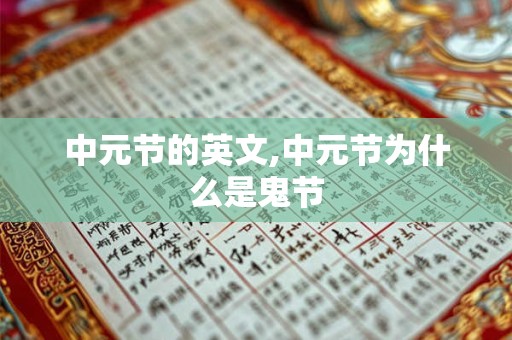
The Ghost Festival is surrounded by numerous myths and legends. One of the most famous is the story of the hungry ghosts. According to the tale, on the Day of the Ghosts, the gates of hell open, and hungry ghosts are released to wander the world in search of food. To prevent these spirits from causing harm, people offer food and incense to them.
6. The Ghost Festival in Different Regions
The Ghost Festival is celebrated in various ways across China, reflecting the diverse cultural heritage of the country. In some areas, people perform dragon dances and lion dances to ward off evil spirits. In others, there are performances of traditional operas and puppet shows to entertain the spirits.
7. The Modern Significance of the Ghost Festival
In today's fast-paced world, the Ghost Festival continues to hold a special place in the hearts of many. It serves as a reminder of the importance of respecting our ancestors and honoring their memory. The festival also provides an opportunity for families to come together and strengthen their bonds.
8. The Future of the Ghost Festival
As time progresses, the Ghost Festival may continue to evolve. With the influence of globalization and modernization, some customs and traditions may change. However, the essence of the festival—honoring the spirits and paying tribute to the deceased—will likely remain a central part of Chinese culture for generations to come.
In conclusion, the Ghost Festival, or Zhongyuan Jie, is a time-honored tradition that holds deep significance in Chinese culture. It is a festival of remembrance, respect, and celebration, where the living honor the spirits of the departed. Through its rich customs, folklore, and myths, the Ghost Festival continues to be a cherished part of China's cultural heritage.